Critical Environment Technologies
    January 14, 2026

    New Year, New Safety: Why Now Is the Perfect Time to Review Your Gas Detector Maintenance
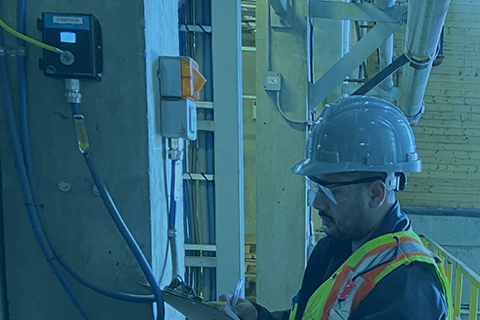
    New Year, New Safety: Why Now Is the Perfect Time to Review Your Gas Detector Maintenance

    A fresh year calls for fresh safety checks - make gas detector maintenance your first resolution.

    The start of a new year is the perfect time to refresh workplace safety practices. One critical area often overlooked is gas detector maintenance. These devices are your first line of defense against hazardous gases, and keeping them in top condition is essential for compliance and safety. Over time, sensors degrade, calibration drifts, and environmental factors like humidity and dust can impact performance. Neglecting maintenance can lead to false readings—or worse, missed alarms.

    Gas detection sensors are designed to detect specific gases at precise concentrations, but their accuracy deteriorates as they age. Sensitivity and response times decline, increasing the risk of false readings or delayed detection. Regular calibration is essential to maintain accuracy. CET recommends bump testing based on application and calibration every 6—12 months, or immediately after a failed bump test.

    Aging sensors may become less responsive to calibration, so replacing them at manufacturer-recommended intervals ensures reliability. Even with proper maintenance, sensors experience drift and degradation due to environmental factors, gas exposure, and operational conditions. Reduced sensitivity or selectivity can lead to diminished detection capabilities and more false alarms. Visual inspections are also critical—check for accidental damage, tampering, dirt, cracks, water intrusion, and loose components.

    Compliance with industry regulations and safety standards requires regular sensor replacement. Following these guidelines minimizes risk, prevents costly violations, and demonstrates a strong commitment to safety.

    Insurance policies and liability agreements often mandate adherence to replacement schedules, making timely maintenance a smart business decision.

    Maintenance priorities vary by location. Low-occupancy areas like parking garages present different risks than occupied spaces such as schools, offices, kitchens, labs, and vehicle maintenance garages, where prolonged exposure to gases can pose serious health hazards or the buildup of gases can create the risk of a fire or explosion. Monthly bump tests are recommended for sensors monitoring toxic gases (ammonia, chlorine, refrigerants) in seldom-visited areas like chiller rooms, boiler rooms or cylinder storage rooms, as well as in spaces where workers face extended exposure. CET encourages a proactive approach: schedule inspections, replace sensors as needed, and document all testing activities. This not only safeguards lives but also reduces downtime and liability.

    Start the year strong, review your current practices, set a clear schedule, and make safety a cornerstone of your operations.