
Critical Environment Technologies
    October 19, 2025

    Manufacturer Recommendations for Testing and Calibrating CET Gas Detection Systems
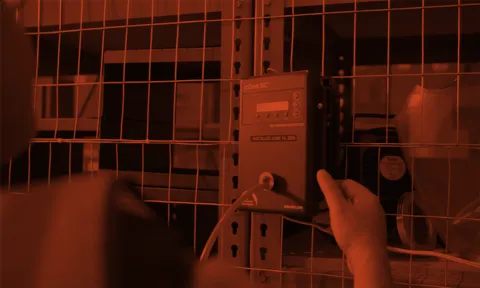
    Manufacturer Recommendations for Testing and Calibrating CET Gas Detection Systems

    Regular maintenance and inspection of the gas detection system helps identify and correct problems before they escalate and lead to false readings or missed detections.

    Bump Testing Frequency

    A bump test is a brief exposure of the sensor to a known concentration of gas to verify sensor responsiveness and alarm functionality. CET recommends regular bump testing depending on application, standards and local regulations. Low-occupancy or non-occupancy areas—such as parking garages present a different risk profile than other applications. While CO can still accumulate due to vehicle emissions, the transient nature of human presence reduces the immediate exposure risk. The risk level increases significantly in workplace and other occupied spaces, such as schools, offices, kitchens, chemical labs, and vehicle maintenance garages, where prolonged exposure to CO can pose serious health hazards.

    Monthly bump tests are recommended for sensors used to monitor toxic gases such as ammonia, chlorine, refrigerants, etc. in environments that are unfrequented like chiller rooms, cylinder storage rooms and in areas where workers are exposed for extended periods of time.

    Situations Requiring Immediate Bump Testing

    A bump test should be performed:

    • After installation (after the warm-up period)
    • After a prolonged period of unpowered time And after exposure to:
    • Changes in work environment
    • Extreme environmental conditions
    • Highly concentrated target gas
    • Solvent vapors
    • Corrosive gases
    • Sensor poisons or inhibitors

    Calibration Frequency

    Calibration adjusts the sensor output to match a known gas concentration, ensuring measurement accuracy. CET recommends calibration every 6-12 months depending on application, standards and local regulations. A calibration should always be done immediately following a failed bump test. CET encourages a proactive approach to maintenance, including scheduled inspections, sensor replacements as needed, and documentation of all testing activities. This not only supports regulatory compliance but also extends the life and accuracy of the gas detection system. The sooner potential issues are detected, the faster corrective actions can be taken—minimizing risk to personnel and ensuring continuous protection against hazardous exposures.

    If you have any questions about gas detectors, gas detection best practices or need help with anything gas detection related, please contact us.