
Critical Environment Technologies
    March 14, 2023

    How Often Should Gas Detectors be Calibrated?
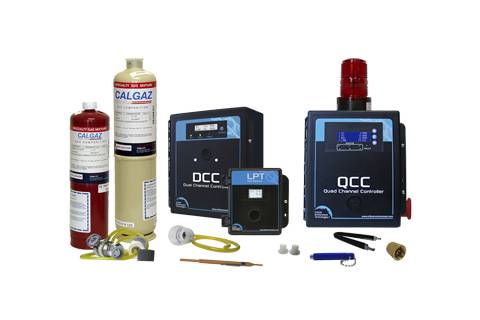
    How Often Should Gas Detectors be Calibrated?

    Calibration frequency is one of the most commonly asked questions concerning the use of gas detection instruments. The answer depends on a number of factors, including the type of gas detection system

    One of the most frequently asked questions in the field of gas detection is: How often should I calibrate my gas detector? While it might seem like a straightforward question, the answer is influenced by several key factors. Calibration is the process of exposing a gas detector's sensor to a certified concentration of gas for a defined period. This procedure ensures that the instrument is accurately measuring gas levels and responding appropriately to potential hazards. Over time, sensors can drift due to environmental exposure, aging, or contamination, which makes regular calibration essential for maintaining safety and compliance. The frequency of calibration can vary widely. For portable gas detectors used in harsh or variable environments—such as confined spaces, industrial plants, or emergency response situations—frequent calibration may be necessary, sometimes even daily or before each use. In contrast, fixed gas detection systems installed in stable environments might only require calibration on a monthly or semiannually basis. Manufacturers typically provide guidelines for calibration intervals, but these should be considered starting points rather than strict rules. Users should also factor in regulatory requirements, company safety policies, and historical performance data of the instruments. In high-risk settings, more frequent calibration can be a proactive measure to prevent false readings or missed detections. Common factors to consider when deciding how often to calibrate are:

    • Type of sensor
    • Type of gas detector (fixed vs portable)
    • The required use and accuracy of the detector
    • Type of application - low/high occupancy risk
    • Manufacturer's recommendations
    • How confident you are about the functioning of your instrument?
    • Did you go through a period of initial use in the intended atmosphere verifying accuracy on a daily basis?
    • Do you keep records so you can quickly identify if a detector has a history of excessive maintenance, is prone to erratic readings or needs to be replaced?
    • Whether bump testing is part of your maintenance regime
    • Whether you suspect there are environmental conditions or potential damage has occurred to the instrument that could affect the instrument's performance Ultimately, calibration is not just a technical requirement—it's a critical part of a safety culture.

    Ensuring that gas detectors are functioning correctly helps protect workers, maintain operational integrity, and comply with industry standards.