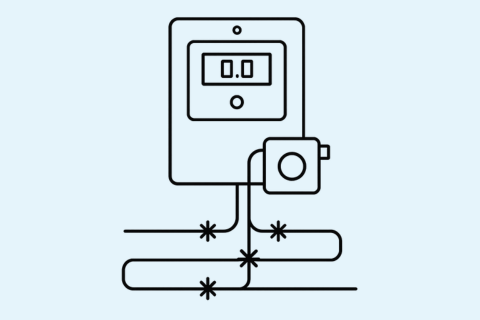
Why a Multi-Point Sample Draw System May Not Be Recommended

While multi-point sample draw systems can seem efficient, they come with significant risks and drawbacks that may outweigh their benefits in critical gas detection applications.
A multi-point sample draw system pulls air samples from multiple remote locations using one central pump and a sequencer (or valve system) that switches between those points. While this design saves on equipment costs by using one detector instead of several, it introduces critical vulnerabilities.
1. Two Single Points of Failure
- The Pump: If the pump fails, the entire system stops drawing samples from all locations. No gas will reach the detector, so none of the remote areas will be monitored.
- The Sequencer (Valve/Switching Mechanism): If the sequencer malfunctions, the system may get stuck on one sample point or fail to switch at all. This can miss dangerous gas concentrations in other areas. A failure in either component compromises the entire system.
2. Inconsistent Pump Load and Flow Balance
Different tubing lengths and elevations can cause inconsistent flow rates or overwork the pump. Uneven pressure drops may result in poor sample delivery or inaccurate readings.
3. Potential for Delayed, Inaccurate or Missed Readings
The more points and longer tubing you have, the longer it takes for a gas sample to reach the sensor. Because the system samples only one point at a time, there is a delay between readings at each location. If a gas leak occurs just after a point has been sampled, the system might not check that point again for several minutes, depending on the number of locations. Additionally, if there's cross-contamination between lines or a leak in tubing, it can result in false or diluted readings.
4. High Cost with Limited Reliability
Although the idea of a centralized system sounds efficient, multi-point sample draw systems:
- Require complex control logic
- Need flow regulators and precision valves and tubing
- Demand frequent maintenance All of this adds up to high upfront cost and ongoing service expense — without redundancy.
Conclusion
Multi point sample draw system designs introduces too much risk for life-safety or critical process environments:
- One failed part can disable the entire system.
- High complexity and cost don't guarantee reliability.
- You may fail to detect dangerous gas conditions in time.
If you're dealing with a high-risk area, it's often safer and more effective to use dedicated detectors for each zone, or simplified sample draw units with independent operation.