The Oxides of Nitrogen - NO and NO2

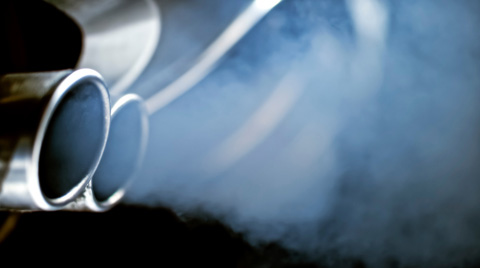
Both NO and NO2 are produced during the combustion process and are emitted into the air through the exhaust of gasoline run vehicles. What other similarities and differences do the two gases have?

Two of the gases belonging to the nitrogen oxides (NOx) family are nitrogen oxide (NO) and nitrogen dioxide (NO2). Both are produced during fuel combustion. NO is a colorless gas, that is emitted into the air, especially by motor vehicles and when it combines with oxygen it produces NO2, a reddish-brown gas that is reactive and pungent. When a vehicle engine is running in an enclosed parking facility, NO and NO2 are released into the air. Heated by the combustion process the hot gases will rise towards the ceiling. NO will combine with oxygen to form NO2 and as the gases cool with the surrounding air, it will fall and dissipate, settling in the breathing zone. Given the average height of people, the breathing zone is between 4 — 6 feet above the floor. In enclosed spaces with bumper height exhaust venting vehicles, NO2 gas detectors should be installed in this zone to protect people from the toxic gas. In enclosed spaces where vehicles have top-exiting exhausts, for more rapid detection, NO2 gas detectors can be mounted at a higher level. However, this should be in addition to mounting NO2 sensors in the breathing zone because the NO2 gas will cool and settle into the breathing zone, the space that people are occupying. Environments that have vehicle repair pits should have an NO2 gas detector mounted in the pit as NO2 gas may pool into the area. Nitrogen Oxide (NO) Nitrogen Dioxide (NO2) Sensor Range 0 — 100 ppm 0 - 10 ppm Synonyms Nitric Oxide, Nitrogen Oxide, Nitrogen Monoxide, Mononitrogen Monoxide Nitrogen Dioxide Chemical Family Synonyms Nitrogen Oxides, NOx, Oxides of Nitrogen STEL OSHA, NIOSH, ACGIH = 25 ppm OSHA, NIOSH = 1 ppm ACGIH = 3 ppm IDHL OSHA, NIOSH, ACGIH = 100 ppm OSHA = 20 ppm NIOSH = 13 ppm Low Alarm Level 25 ppm 0. 70 ppm Mid Alarm Level 30 ppm 1. 00 ppm High Alarm Level 50 ppm 1. 50 ppm Health Hazard Low concentrations initially may cause mild shortness of breath and cough; then, after a period of hours to days, victims may suffer bronchospasm and pulmonary edema. Inhalation of very high concentrations can rapidly cause burns, spasms, swelling of tissues in the throat, upper airway obstruction, and death. High levels can interfere with the ability of the blood to carry Oxygen causing headache, fatigue, dizziness, and a blue color to the skin and lips. Repeated exposure to high levels may lead to permanent lung damage.
Higher levels can cause trouble breathing, collapse and even death.