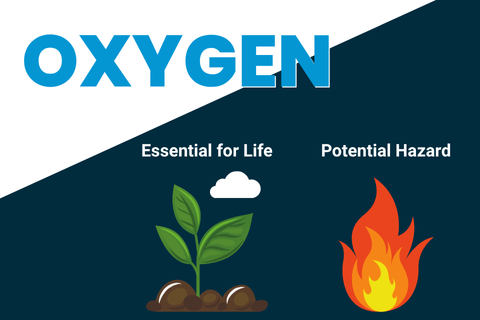
The Dual Nature of Oxygen

Oxygen is essential for life, yet it can also pose significant risks. Ensuring that oxygen levels are properly monitored and maintained is vital for safeguarding human health and safety.

Many people might not consciously think about breathing oxygen because it's such an automatic and essential part of life. We breathe without needing to remind ourselves to do it, so it's easy to take it for granted. However, when people experience respiratory issues or are in environments with poor air quality, they often become acutely aware of how vital oxygen is.
Humans need an oxygen concentration of about 19.5% to 23.5% in the air to function safely. Too little oxygen creates a deficient environment and can cause hypoxia, leading to symptoms like dizziness, confusion, and even asphyxiation. On the other hand, breathing in oxygen-enriched air for an extended period can lead to oxygen toxicity, which can cause symptoms such as coughing, difficulty breathing, and lung damage. Elevated oxygen levels can also make flammable materials ignite more easily and burn more intensely.
To ensure health and safety, it is crucial to maintain oxygen levels within the normal range. Oxygen detectors are used to measure the concentration of oxygen in the air, providing real-time alerts and maintaining a safe breathing environment. These devices are essential in various settings, including industrial workplaces, medical facilities, and personal monitors used in confined spaces, to help prevent both oxygen depletion and oxygen enrichment situations.
Where and Why They're Used
- Chemical Plants: To monitor for oxygen displacement or enrichment during reactions
- Hospitals and Labs: In areas using medical gases or cryogenics (like liquid nitrogen or oxygen)
- Oil and Gas Industry: To detect leaks and prevent explosions in drilling and refining operations
- Ships and Submarines: To ensure breathable air in enclosed environments
- Aviation and Space: To ensure breathable air in the cabin environment
- Cold Storage Facilities: Where inert gases like CO2 or nitrogen are used for refrigeration
- Manufacturing Plants: To monitor oxygen levels where gases that can displace oxygen are used or produced
- Wastewater Treatment Plants: To monitor oxygen levels in the treatment processes
- Welding Shops: To monitor oxygen levels where gases that can displace oxygen are used or produced
- Firefighting and Hazmat Teams: To assess air quality in emergency response situations
- High-Altitude Training Centers: To simulate low-oxygen environments safely for athletes or pilots
- Confined Spaces (e.g., tanks, silos, sewers): To detect oxygen deficiency or enrichment before workers enter and during occupancy
If you'd like to learn more about gas detection, its applications, or any related topics, please contact us.