
Gas Detectors: Vital Safety Systems for Preventing Injuries, Illness, and Death
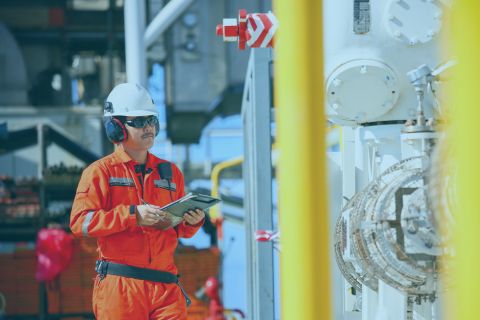
Gas detectors are vital safety devices designed to monitor and measure potentially lethal gases in various environments, safeguarding lives, property, and the environment.
Types of Gas Detectors
Fixed Gas Detectors: Installed in specific locations to continuously monitor gas levels in an area.
Portable Gas Detectors: Handheld devices used by personnel to check gas levels in various locations.
Personal Monitors: Designed to be worn by an individual for continuous monitoring of their immediate environment.
Role of Gas Detectors in Safety
Gas detectors are crucial for preventing accidents and ensuring the well-being of individuals in environments where hazardous gases may be present. They can identify combustible, flammable, and toxic gases, as well as monitor oxygen levels. Unlike passive devices, gas detectors actively trigger events and interact with other systems in the building, such as ventilation equipment, to prevent illness or injury from exposure to harmful gases.
Proper Use of Gas Detection Equipment
Effective use of gas detection equipment involves understanding the specific hazards associated with different gases, selecting appropriate detection devices, and maintaining them through bump testing, visual inspections, and regular calibration. Training personnel to recognize the importance of gas detection and respond effectively to alarms is also crucial for maintaining a safe environment.
Importance of Gas Detection in Safety
- Preventing Hazardous Exposure: Gas detectors help identify the presence of harmful gases like carbon monoxide (CO), hydrogen sulfide (H2S), and ammonia (NH3), that can cause damage to living tissues, impairment of the central nervous system, severe illness and even death.
- Avoiding Explosions: Detecting flammable gases such as methane (CH4), propane (C3H8) and hydrogen (H2) can prevent explosions and fires.
- Ensuring Compliance: Regular monitoring ensures compliance with safety regulations and standards, protecting both employees and the environment.
Safety-Oriented Gas Detection Tips
- Regular Calibration and Maintenance: Ensure gas detectors are regularly calibrated and maintained to provide accurate readings.
- Proper Placement: Install detectors in areas where gas leaks are most likely to occur and at the correct height for the type of gas being monitored.
- Training: Educate employees on how to use gas detectors, interpret readings, and respond to alarms.
- Use of Personal Protective Equipment (PPE): Equip workers with appropriate PPE, such as respirators, when working in areas with potential gas hazards.
- Emergency Preparedness: Develop and practice emergency response plans for gas leak incidents.
By integrating these practices, organizations can significantly reduce the risks associated with hazardous gases and contribute to a safer workplace and publicly frequented environments.
If you'd like to learn more about gas detection, its applications, or any related topics, please feel free to contact us.