
Gas Detection in Boiler Rooms: Why It's Essential for Safety and Compliance
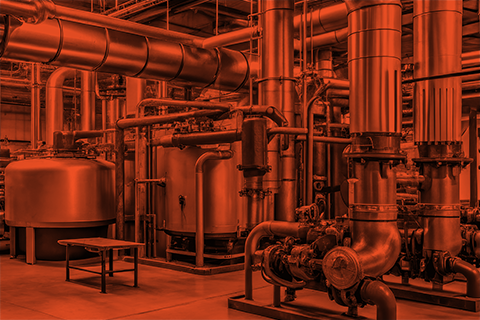
Boiler rooms play a vital role in building operations, but they also pose serious safety risks due to the potential buildup of hazardous gases. Typically located in unfrequented areas, continuous gas detection monitoring is crucial to ensure personnel remain aware of any dangerous conditions.
The hidden workhorses of many buildings, boilers power heating systems, produce steam, and supply hot water for residential, commercial, and industrial applications. But behind their utility lies a significant safety risk: the potential buildup of hazardous gases. That's where a gas detection system comes in, not just as a precaution, but as a critical component of safe and compliant boiler room operation.
A boiler room is a dedicated space within a building that houses one or more boilers—devices that heat water or produce steam using fuel sources such as natural gas, propane, oil, or electricity. These rooms are typically located in basements or mechanical areas and are designed to isolate noise, heat, and combustion processes from occupied spaces. Boilers serve several key functions:
- Heating: They distribute hot water or steam through radiators or air handlers to warm indoor spaces.
- Hot Water Supply: Many boilers also provide hot water for sinks, showers, and appliances.
- Industrial Use: In factories, boilers may power equipment or processes requiring steam or heat.
Boiler rooms can be dangerous due to the presence of combustible and toxic gases, including:
- Carbon Monoxide (CO): A colorless, odorless gas produced by incomplete combustion. It's highly toxic and known as the "silent killer."
- Methane (CH4): The primary component of natural gas, highly flammable and explosive in confined spaces
- Propane (C3H8): Another common fuel gas used, also explosive when mixed with air.
These gases can leak due to faulty equipment, poor ventilation, or maintenance issues, making real-time gas monitoring essential. Gas detectors are vital for:
- Early Warning: Detecting leaks before they reach dangerous levels.
- Automatic Response: Triggering ventilation systems and alarms.
- Compliance: Meeting safety codes and regulations.
- Protection: Safeguarding personnel, property, and equipment. Without gas detection, leaks may go unnoticed until they cause health issues, fires, or explosions.
When gas concentrations exceed safe thresholds, the system responds by:
- Activating Ventilation: Fans or dampers are triggered to dilute and remove hazardous gases
- Sounding Alarms: Audible and visual alerts warn personnel of danger.
- Shutting Down Equipment: In some cases, the system will automatically isolate the fuel supply or shut down the boiler to prevent further risk.
- Communicating with BMS: Signals are sent to building management systems for centralized monitoring and control. This integration ensures a fast, coordinated response to gas hazards.
Boiler rooms may be out of sight, but they should never be out of mind when it comes to safety. The integration of a gas detection system with the ventilation system, audible and visual alarms and other safety responses is not just a best practice, it's a necessity. By detecting hazardous gases early and responding automatically, these systems protect lives, prevent costly damage, and ensure regulatory compliance.
Check out our BoilerSensepurpose-built product compliance solutions to help facility managers, engineers, and building professionals navigate complex regulatory standards with confidence. Includes standards for: Iowa, Kansas, Minnesota, Missouri, Nebraska, North Dakota, Oklahoma, Texas & Wisconsin
Standards and Regulations Governing Boiler Room Gas Detection
Several standards govern the design and implementation of gas detection systems in boiler rooms:
- NFPA 85 — Boiler and Combustion Systems Hazards Code: Recommends gas detection in areas where combustible gases may accumulate.
- NFPA 54 — National Fuel Gas Code: Provides guidance on leak detection methods.
- ASME Boiler and Pressure Vessel Code - Requires a disconnect switch at all entrance doors to a room containing the boilers.
- National Board Inspection Code (NBIC) - Requirements shall be enforced by the appropriate authority having jurisdiction.
- Occupational Safety and Health Association (OSHA) — Requires safe working conditions, including air quality monitoring.
- International Mechanical Code (IMC) — Mandates ventilation and safety systems in mechanical rooms.
- International Fire Code (IFC) - Requires gas detection systems when ventilation alone is insufficient to mitigate risks.
- International Building Code (IBC) — Include provisions for gas detection, ventilation, and emergency shut-off systems in boiler rooms.
- EN746-2 — European standard recommending dual gas shut-off valves controlled by gas detectors.
- Local Boiler Codes — Check with your local authority having jurisdiction (AHJ). These standards emphasize continuous monitoring, automatic shut-off, and routine calibration to ensure safety and compliance.