
Critical Environment Technologies
    April 30, 2019

    Gas Detection Etiquette in the Kitchen
    Gas Detection Etiquette in the Kitchen

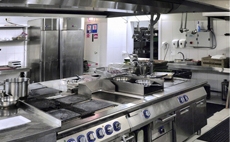
    Gas cooking equipment such as grills, stoves and fryers in restaurants, hotels and other commercial kitchens often use natural gas or propane for an energy supply. If a burner was left on or a fitting

    In addition, one of the by-products of burning natural gas or propane is carbon monoxide, a toxic gas at very low concentrations. If the burning process fails to combust properly due to worn or poorly maintained equipment, CO could be present but not known as it has no taste, no colour or smell. A well designed and maintained ventilation system should exist to remove any air contaminants from the breathing zone and the equipment and appliances should be kept in good working order. In addition, there should be a fixed gas detection system to continuously monitor the combustible gas and CO levels to save costs, minimize the risk of fires or explosion and ensure worker's health and safety by alerting to an unsafe environment caused by problems with the ventilation system or cooking equipment. For a commercial kitchen environment, Critical Environment Technologies' CGAS-D Digital Transmitter with an internal electrochemical CO sensor and an ESH-A remote sensor with an internal catalytic natural gas (or propane) sensor offers the features and functionality to ensure a safe breathing environment. TYPICAL COMMERCIAL KITCHEN NATURAL GAS AND CARBON MONOXIDE MONITORING SYSTEMCommercial kitchens should be monitored for both toxic and combustible gas hazards to ensure a safe working environment, not only for personal health, but for the protection of the property as well. If natural gas is the energy source used, an CGAS-D-CO-R-RBZ with an internal carbon monoxide sensor and a remote ESH-A-CCH4-100 combustible natural gas (methane) sensor would provide accurate and continuous monitoring to ensure a safe working environment. NOTE: If the energy source for the gas appliances is propane, replace the ESH-A-CCH4-100 with an ESH-A-C3H8-100 with an internal propane sensor and mount the device in close proximity to the appliances but at 6 inches from the floor. Propane gas is heavier than air and will pool in low lying areas. The CGAS-D with the CO sensor should be installed inside the room at breathing level 1.2 to 1.8 m (4 to 6 feet) off the ground, in close proximity to the gas appliances and where people tend to be while working; this is the height range in which most humans breathe. The CGAS-D has three gas alarm setpoints, LOW, MID and HIGH, for each gas channel and 1 dry contact relay rated 30V @ 2 amps. If incomplete combustion of the natural gas causes carbon monoxide and the ventilation system is inadequate or malfunctions and there is a buildup of the toxic gas, the CGAS-D will detect the increase in the gas level according to the gas alarm setpoints and will activate its internal buzzer. Natural gas is a highly flammable gas that is made of mostly methane. The ESH-A-CCH4-100 remote methane sensor should be mounted near the ceiling above the hood fans. Methane gas is lighter than air and will concentrate in high places. If there were to be a natural gas leak, the gas would rise towards the ceiling and the methane sensor would detect the increase in the gas level according to the gas alarm setpoints configured in the CGAS-D and it would send a signal to the CGAS-D which in turn would activate its internal buzzer. If a louder audible and a visual alarm is desired, the internal relay of the CGAS-D can be connected to an RSH-24V-R Remote Strobe/Horn mounted in the kitchen that will sound and flash should gas levels rise above the configured alarm setpoints. NOTE: In this application, the CGAS-D is operating as a standalone fixed system. If required, the CGAS-D can be part of a digital network connected to a BAS, DDC or other control panel using Modbus® RTU RS-485. DOWNLOADS****Monitoring CO and Natural Gas from Cooking Equipment Monitoring Ozone used in Kitchen for Air Duct Cleaning