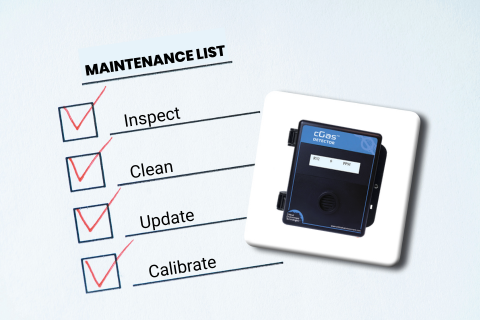
A Guide for Maintaining Gas Detectors

Regular maintenance and inspection of the gas detection system helps identify and correct problems before they escalate and lead to false readings or missed detections.

Gas detectors need regular maintenance to ensure they function accurately and reliably. These devices serve as critical safety tools in environments where hazardous gases like ammonia, chlorine, carbon monoxide, refrigerants, methane, and others may be present. Without proper upkeep, gas detectors can fail to detect leaks, leading to serious health risks, regulatory violations, and catastrophic incidents such as fires, explosions or even death.
Over time, gas detector sensors can degrade, lose sensitivity, or become contaminated by dust, humidity, or chemical exposure. This sensor drift can result in false alarms or, worse, a failure to detect dangerous gas levels. Firmware issues, loose wiring, and mechanical wear and tear can also compromise performance. Environmental stress, such as excessive humidity, extreme temperatures, or constant vibration can further accelerate sensor deterioration, leading to unreliable readings and potentially hazardous situations if not addressed through regular inspection and maintenance. Regular maintenance inspections help catch early signs of malfunction, sensor drift, or physical damage before they lead to false readings or missed detections.
How to Maintain Gas Detectors
A comprehensive maintenance routine includes:
- Cleaning and inspection: Wipe down the device with a soft cloth, check for physical damage, and ensure sensors are free from debris. - Firmware updates: Keep software current to fix bugs and enhance performance.
- Safeguard from water and dust ingress: Use the proper conduit fittings and a splash guard when installed in washdown or wet environments, close the enclosure properly.
- Calibration:* Use certified calibration gas to adjust the detector's readings to known concentrations. This ensures accuracy and responsiveness.
- Bump testing: Expose the detector to a known gas concentration to verify that the alarm triggers correctly.
- Proper storage: Store detectors in clean, dry environments within recommended temperature ranges.
- Documentation: Maintain logs of all maintenance activities, including calibration dates, gas lot numbers, and technician notes.
Neglecting maintenance can lead to equipment failure, regulatory non-compliance, and increased long-term costs due to emergency repairs or replacements. By following a structured maintenance plan, businesses can ensure their gas detection systems remain a reliable safeguard for people, property, and operations.
Note: Calibration and maintenance activities should be done by appropriately qualified and trained personnel. Care and attention must be taken during the process to prevent potential error sources from degrading the results.