Critical Environment Technologies

    News & Updates

    Stay informed about the latest developments, product announcements, and industry insights from Critical Environment Technologies.

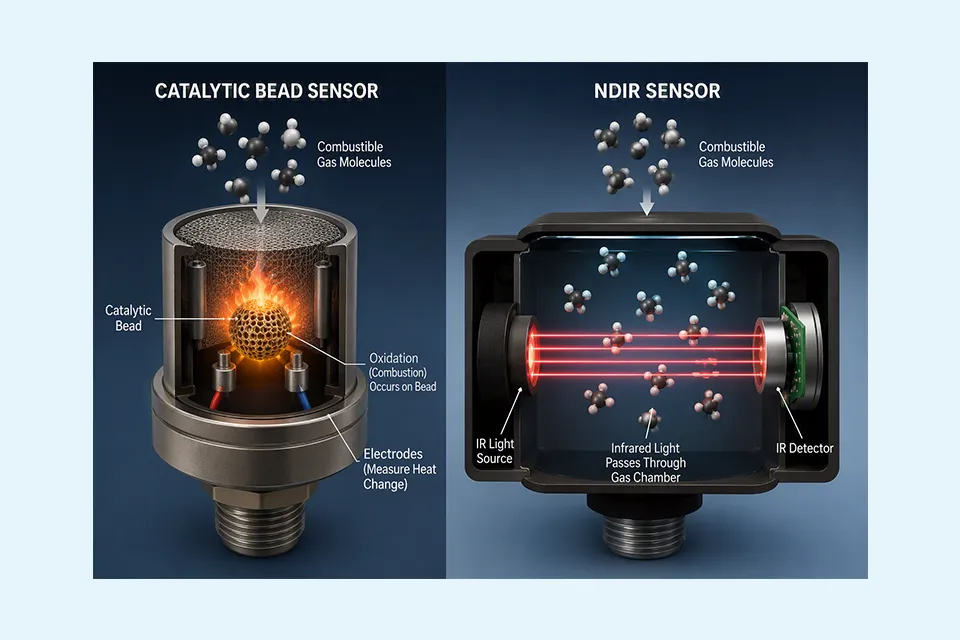
    Combustible Gas Detection: NDIR vs Catalytic Technology
    July 30, 2026

    Combustible Gas Detection: NDIR vs Catalytic Technology

    While NDIR technology is increasingly being adopted due to its durability, low maintenance and resistance to sensor poisoning, catalytic sensors continue to remain highly relevant due to their lower cost, broad combustible gas response and ability to detect hydrogen.

    Read more
    Why Gas Detection Matters in Places Meant for Play
    April 27, 2026

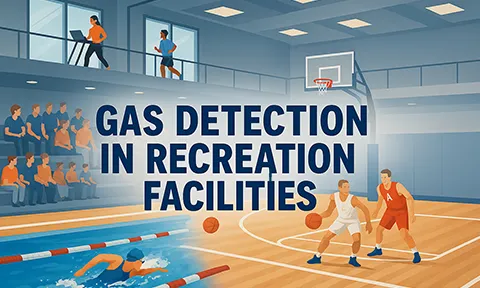
    Why Gas Detection Matters in Places Meant for Play

    Recreation facilities are complex buildings with many potential gas hazards. While guests are focused on their laps around the pool or personal bests on the treadmill, gas detectors are focused on something else entirely - the air they are breathing.

    Read more
    Hidden Air Quality Risks in Transit Hubs
    March 13, 2026

    Hidden Air Quality Risks in Transit Hubs

    Transit facilities face a variety of air quality challenges, from diesel exhaust in bus terminals to particulate matter in subway stations and elevated CO₂ levels in crowded passenger areas. Without proper monitoring and ventilation, these pollutants can affect passenger comfort, employee health, and overall facility safety.

    Read more
    A Guide for Maintaining Gas Detectors
    October 19, 2025

    A Guide for Maintaining Gas Detectors

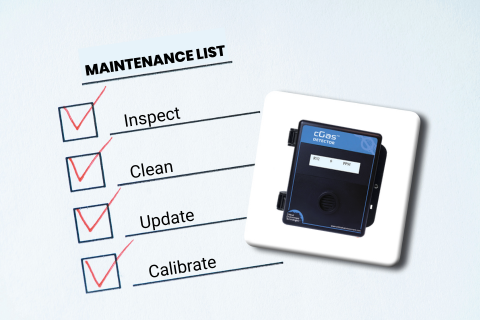
    Regular maintenance and inspection of the gas detection system helps identify and correct problems before they escalate and lead to false readings or missed detections.

    Read more
    The Dual Nature of Oxygen
    July 21, 2025

    The Dual Nature of Oxygen

    Oxygen is essential for life, yet it can also pose significant risks. Ensuring that oxygen levels are properly monitored and maintained is vital for safeguarding human health and safety.

    Read more
    FAQ About Ammonia Gas Detection Systems
    January 25, 2025

    FAQ About Ammonia Gas Detection Systems

    Ammonia is a corrosive, toxic gas or liquid used in manufacturing and refrigeration. Exposure to high levels of ammonia can be fatal. Learn the ins and outs about ammonia gas detection systems.

    Read more
    How to Convert ppm to %vol
    October 25, 2024

    How to Convert ppm to %vol

    This technical resource from Critical Environment Technologies provides essential information for gas detection professionals, facility managers, and safety engineers.

    Read more

    Fixed vs Portable Gas Detection Equipment
    September 5, 2024

    Fixed vs Portable Gas Detection Equipment

    When choosing between fixed and portable gas detectors there are many factors to consider to ensure the proper monitoring measures are being taken to ensure the health and safety of occupants.

    Read more

    Navigating the Hazardous Gases in Breweries
    August 28, 2024

    Navigating the Hazardous Gases in Breweries

    When considering the hazardous gases in a brewery, CO2 is likely the first to come to mind. While it plays a crucial role in brewing, other gases like ammonia, nitrogen, and ozone can also be present.

    Read more

    The Oxides of Nitrogen - NO and NO₂
    June 19, 2024

    The Oxides of Nitrogen - NO and NO₂

    Both NO and NO₂ are produced during the combustion process and are emitted into the air through the exhaust of gasoline run vehicles. What other similarities and differences do the two gases have?

    Read more
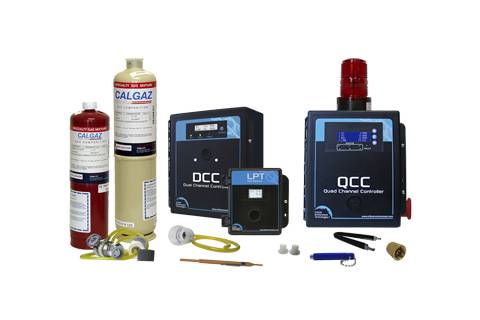
    Calibration Could Save Your Life
    March 18, 2024

    Calibration Could Save Your Life

    Many gases—some detectable by humans, others not—can leak into the spaces where we work and play, becoming dangerous when they exceed safe concentrations.

    Read more

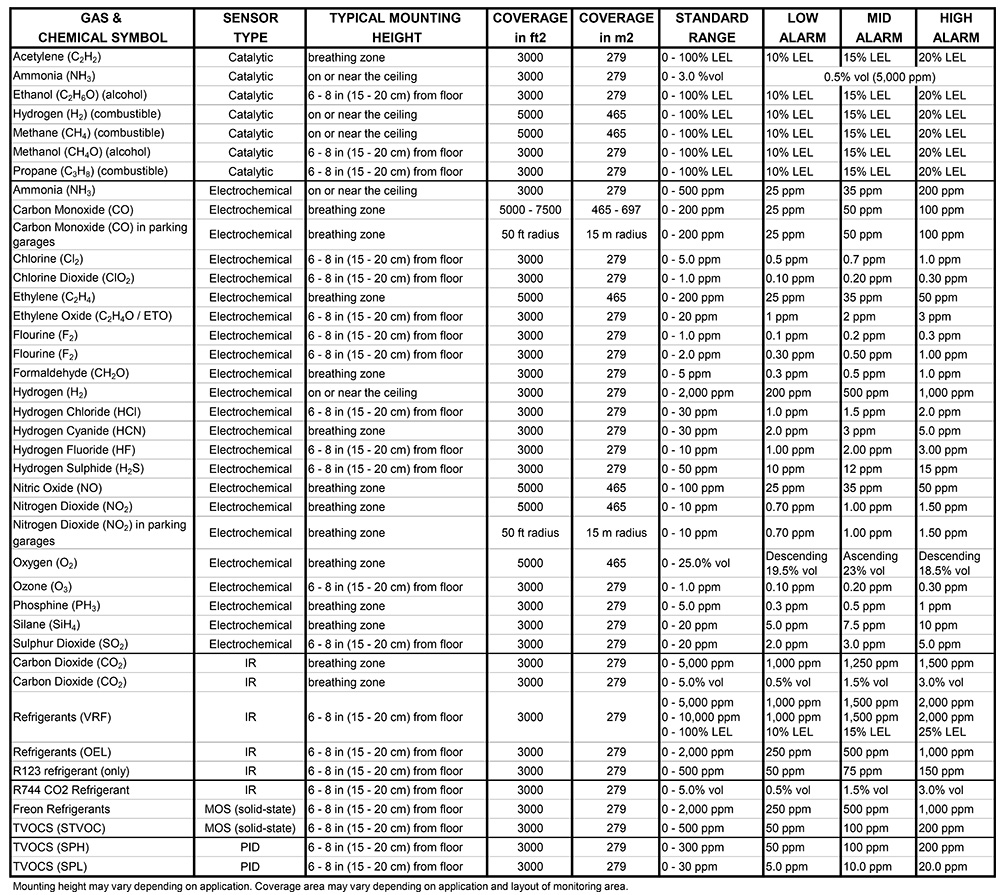
    At What Height Should Sensors be Mounted?
    January 22, 2024

    At What Height Should Sensors be Mounted?

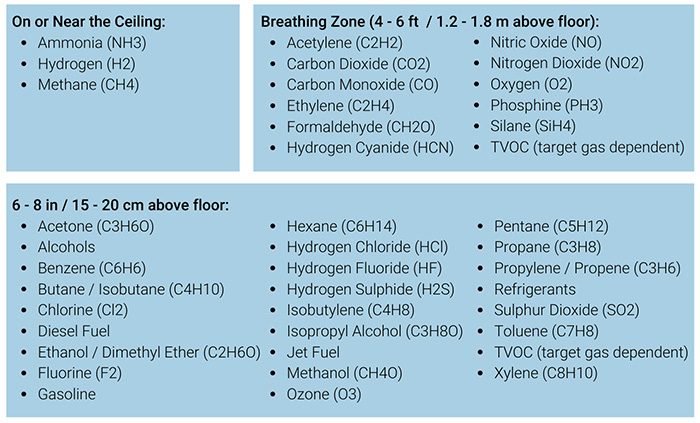
    Proper sensor placement is critical for effective gas detection. The mounting height and location of sensors directly impacts their ability to detect hazardous conditions and protect personnel. Thi...

    Read more
    Reasons to Replace Gas Sensors
    December 5, 2023

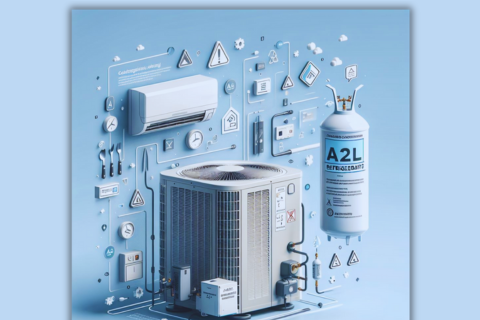
    Reasons to Replace Gas Sensors

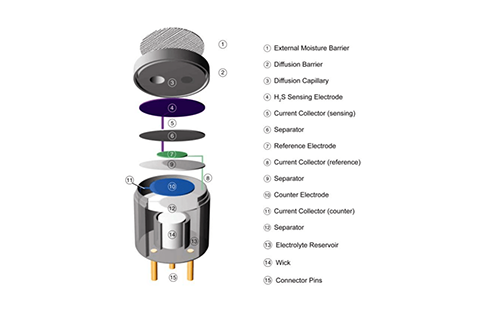
    Gas detection transmitters play a crucial role in safeguarding lives and property by monitoring and detecting hazardous gases in the environment. These devices consist of various components, with sens

    Read more

    What CO₂ Gas Detector Do You Need?
    October 15, 2023

    What CO₂ Gas Detector Do You Need?

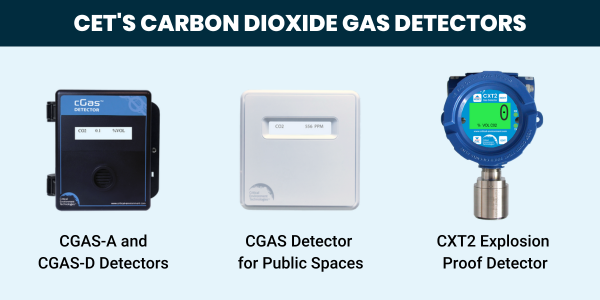
    CET offers CO₂ gas detectors for indoor air quality and for life, health and safety applications with various ranges, units of measure and alarm levels that are fully programmable in the field.

    Read more
    Carbon Dioxide Monitoring
    April 17, 2023

    Carbon Dioxide Monitoring

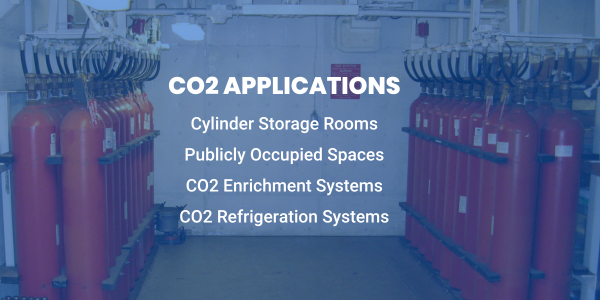
    CO2 is naturally occurring all around us and in low concentrations it is not the least harmful. However, CO2 has the potential to exist in unhealthy concentrations in a multitude of applications which

    Read more

    The Ventilation and Gas Detection Connection
    March 22, 2023

    The Ventilation and Gas Detection Connection

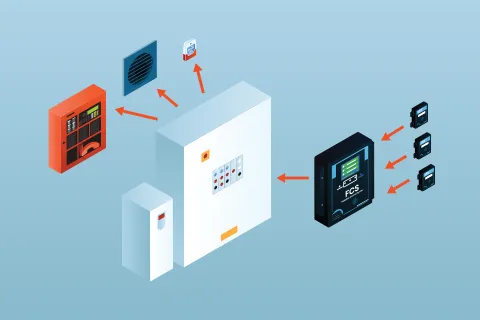
    Advancements in gas detection technology has made energy and cost management possible by connecting the two systems together and putting the gas detection system in the driver's seat to run the ventil

    Read more
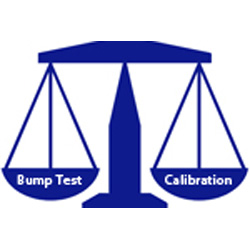
    Bump Testing vs Calibration
    January 13, 2023

    Bump Testing vs Calibration

    Most malfunctions are discovered at the time of calibration or bump testing, meaning at some point between calibrations the gas monitor manifested a problem.


    Read more
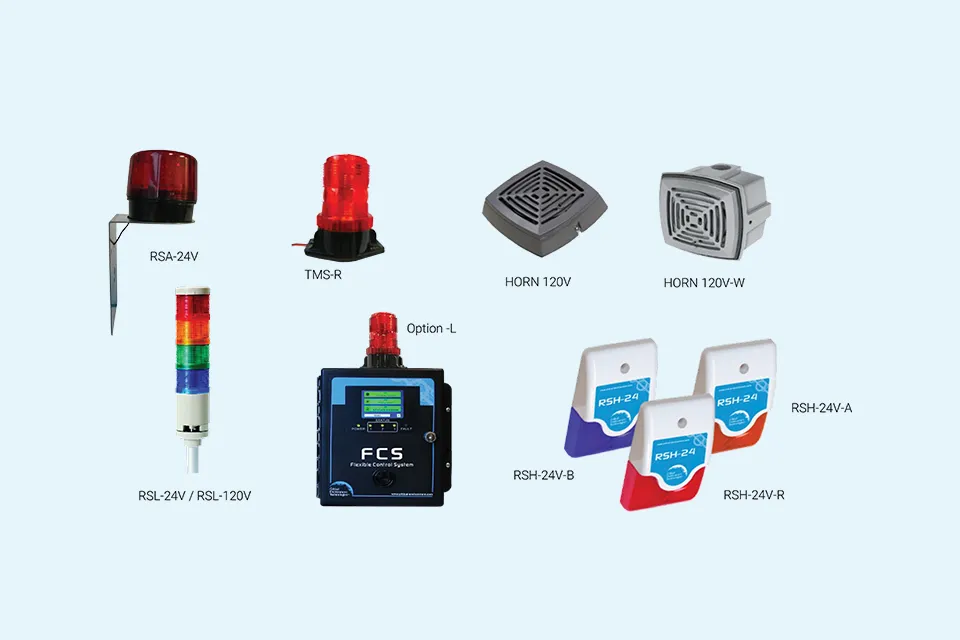
    Sound the Alarm!
    January 2, 2023

    Sound the Alarm!

    Remote audible/visual devices offer superior notification because they are loud and bright and more likely to promote a generalized and appropriate human response to an emergency situation.

    Read more
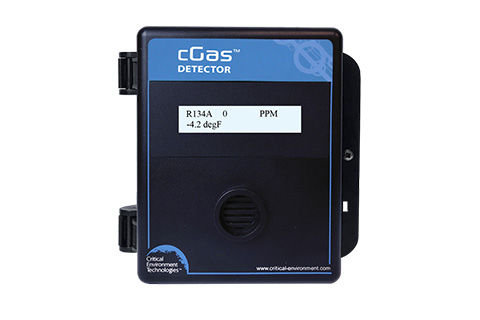
    cGas IR Refrigerant Detector from CET
    October 17, 2022

    cGas IR Refrigerant Detector from CET

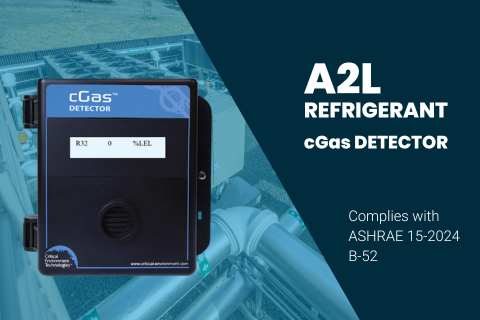
    CET has launched a brand new non-dispersive infrared, dual beam gas detector for accurate, low level detection of a wide variety of refrigerants, including A2L refrigerants, SF6 and CO2 (R744).

    Read more
    Indoor Air Quality Myths Debunked
    September 14, 2022

    Indoor Air Quality Myths Debunked

    Today's buildings, whether it is a home, office, manufacturing plant, hospital, etc., are more energy efficient; however, they also foster a potentially harmful environment. Indoor Air Quality (IAQ) h

    Read more
    What Could be Leaking in the Boiler Room?
    April 30, 2019

    What Could be Leaking in the Boiler Room?

    Natural gas is a flammable gas that is commonly used in building heating systems such as schools, universities and dormitories. It consists primarily of methane gas. The source of the natural gas is..

    Read more
    Gas Detection Etiquette in the Kitchen
    April 30, 2019

    Gas Detection Etiquette in the Kitchen

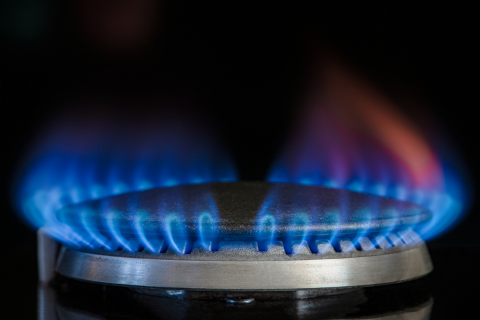
    Gas cooking equipment such as grills, stoves and fryers in restaurants, hotels and other commercial kitchens often use natural gas or propane for an energy supply. If a burner was left on or a fitting

    Read more
    A Few Facts About Ozone
    June 8, 2018

    A Few Facts About Ozone

    Classification Toxic, oxidizing agent, powerful disinfectant Molecular Formula O3 Molecular Weight 47.997 g/mol Fire Hazard Rating Risk of fire and explosion on contact with combustible substances M..

    Read more
    Bump Testing Ammonia Sensors
    February 28, 2018

    Bump Testing Ammonia Sensors

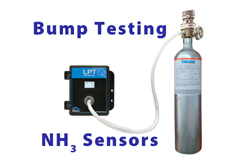
    Bump testing a gas sensor involves flowing a concentration of gas that is slightly higher than the Low alarm setpoint of the gas detector for a short period of time (1-2 minutes or less).

    Read more
    A Few Facts About Ammonia
    November 14, 2017

    A Few Facts About Ammonia

    Classification Inorganic, toxic gas Molecular Formula NH3 or H3N Molecular Weight 17.031 g/mol Fire Hazard Rating Slight to moderate, on its own The presence of oil or other combustible materials incr

    Read more
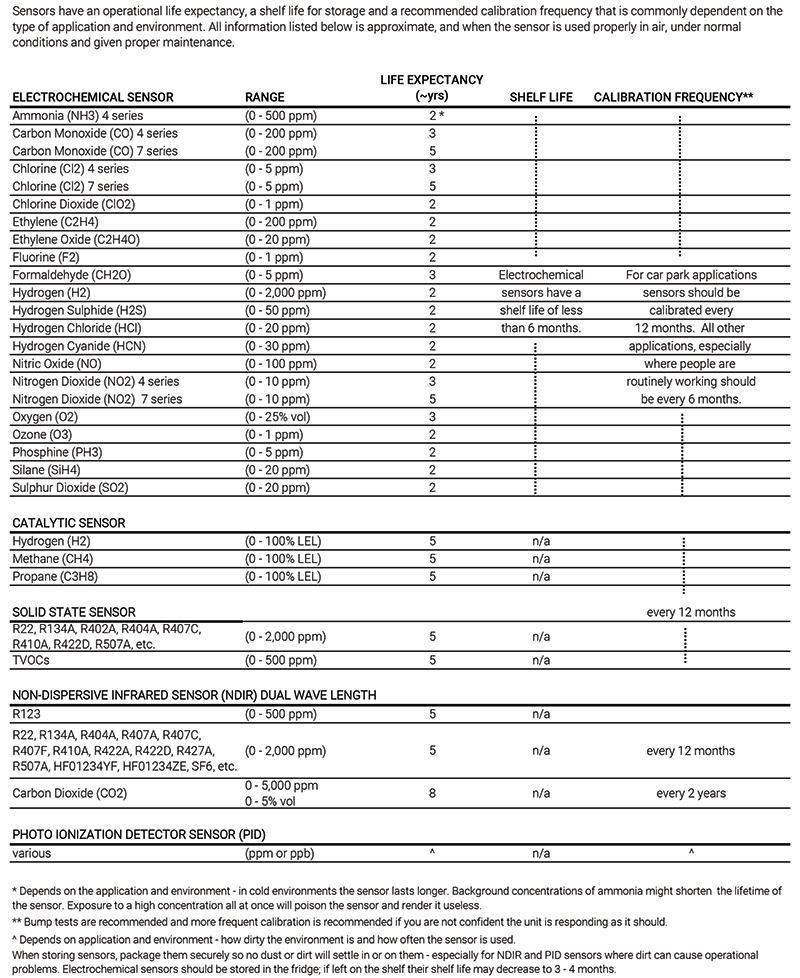
    How Long do Sensors Last?
    October 5, 2017

    How Long do Sensors Last?

    Understanding sensor lifespan is essential for planning maintenance schedules and ensuring continuous protection. Different sensor technologies have varying life expectancies based on their operati...

    Read more
    Carbon Monoxide (CO) vs Carbon Dioxide (CO₂)
    October 5, 2017

    Carbon Monoxide (CO) vs Carbon Dioxide (CO₂)

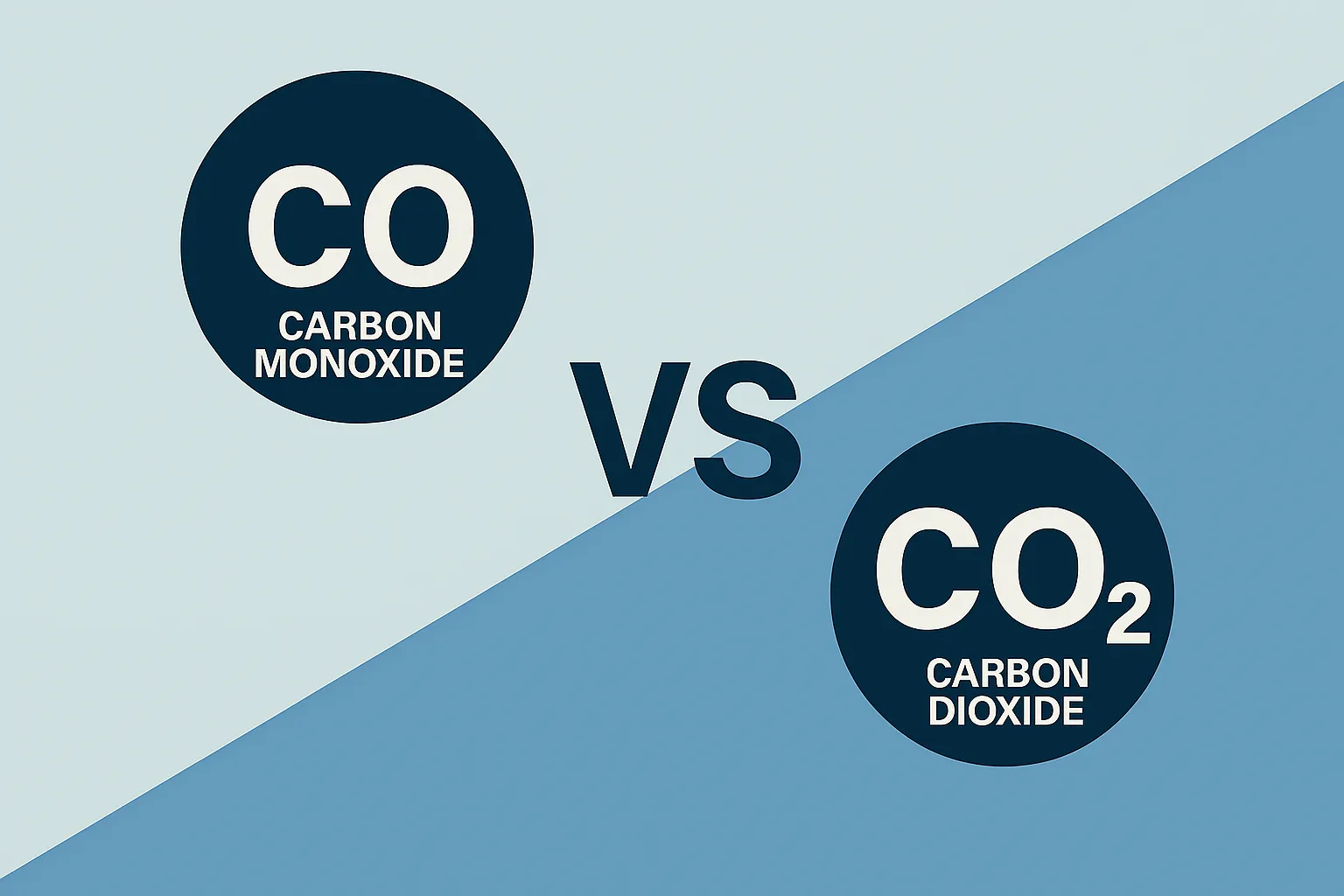
    Carbon monoxide (CO) and carbon dioxide (CO₂) are often confused, but they are fundamentally different gases with distinct properties, hazards and gas detection requirements. Understanding these differences is essential for proper gas detection system design.

    Read more
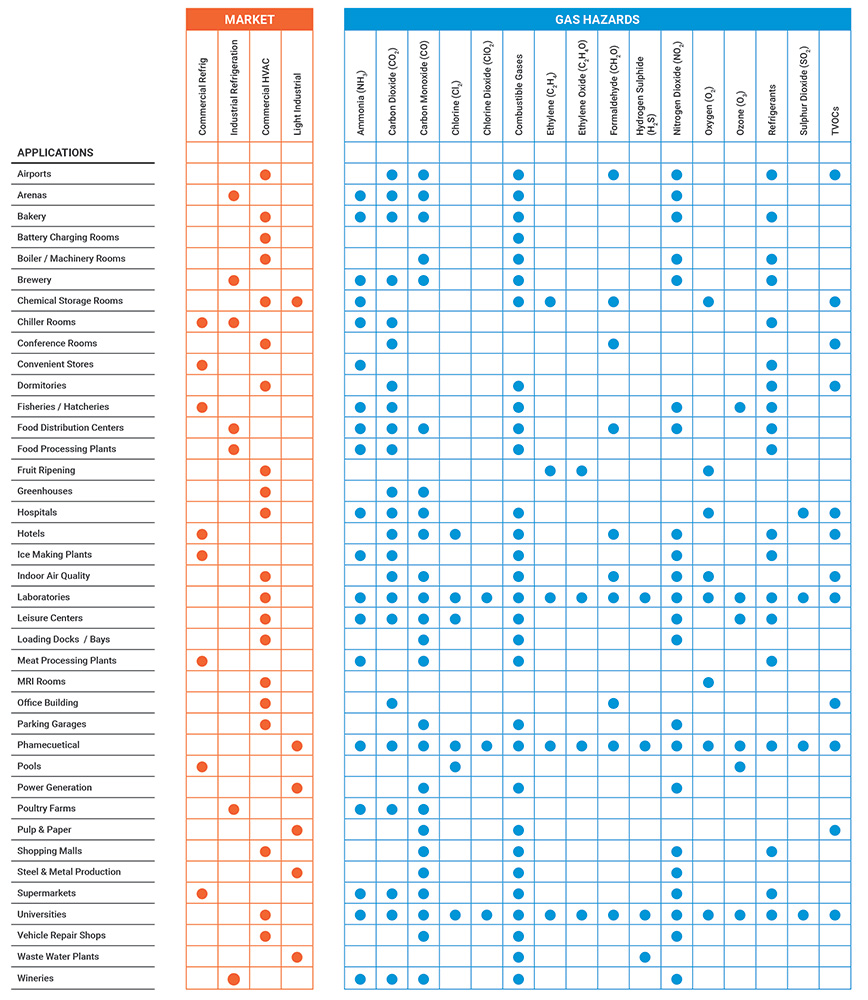
    What Gases Do CET Sensors Detect?
    October 5, 2017

    What Gases Do CET Sensors Detect?

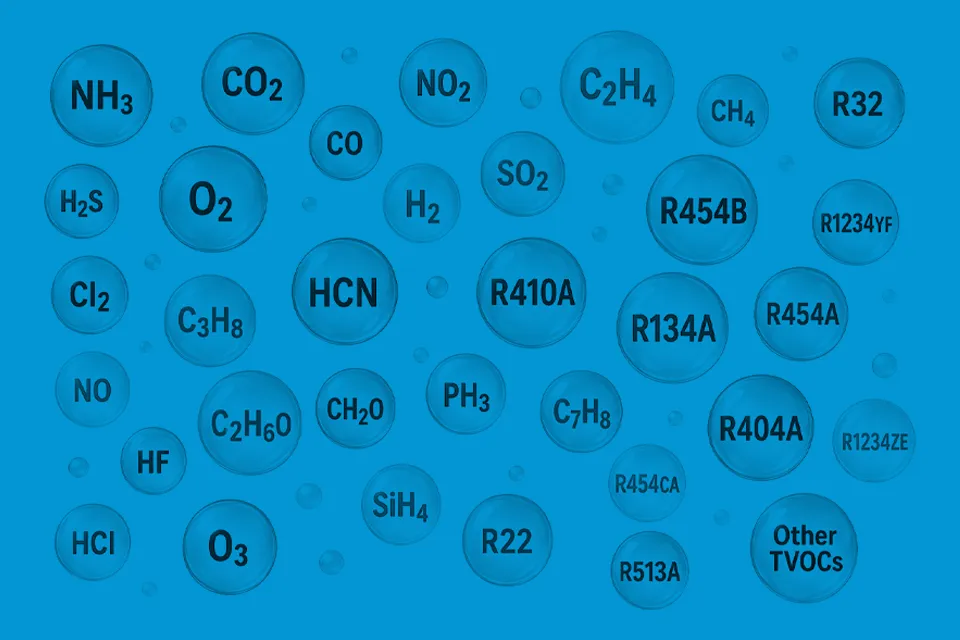
    This technical resource from Critical Environment Technologies provides essential information for gas detection professionals, facility managers, and safety engineers.

    Read more
    Q&A about Fixed Systems
    October 5, 2017

    Q&A about Fixed Systems

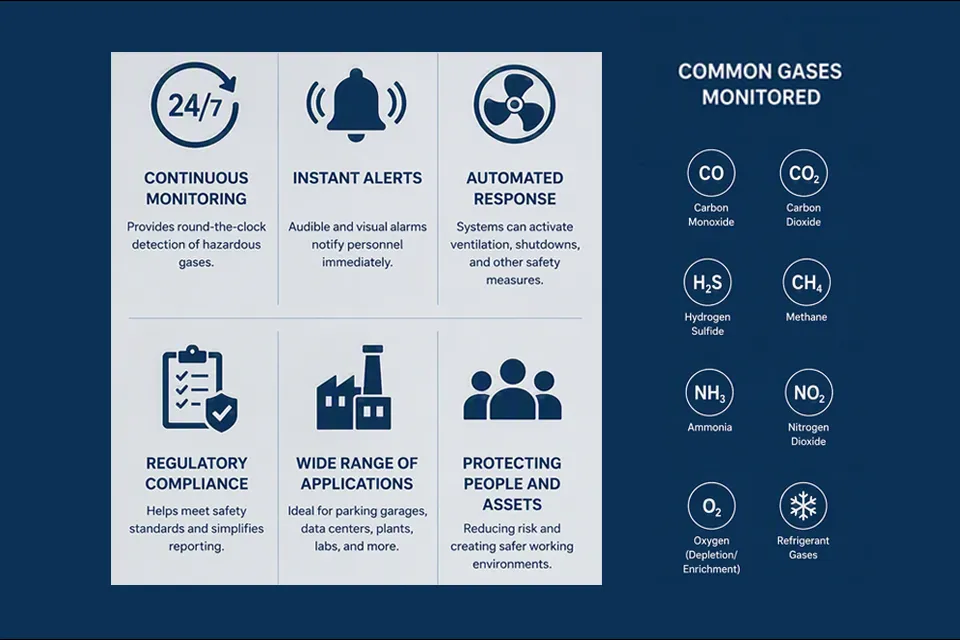
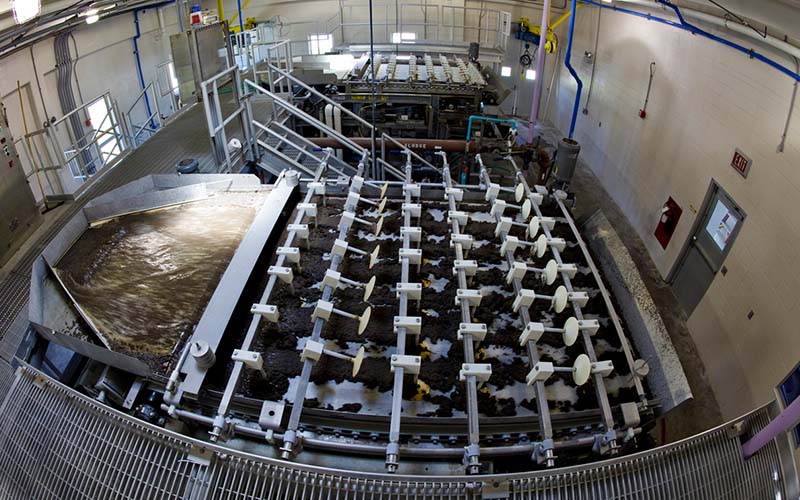
    Fixed gas detection systems are permanently installed throughout a facility. They continuously monitor for specific gases and automatically trigger alarms, ventilation systems, or other safety measures when dangerous concentrations are detected.

    Read more
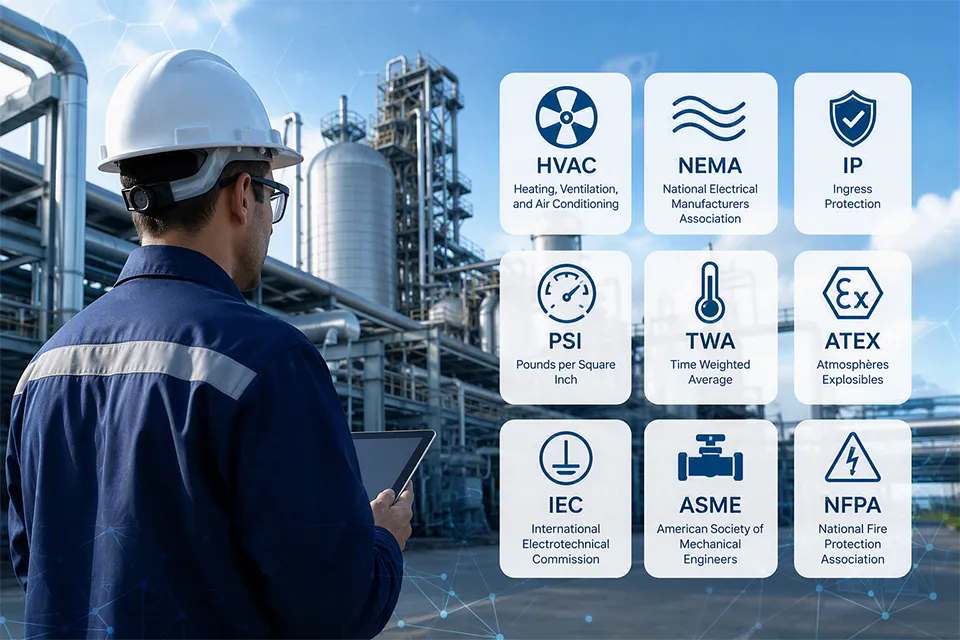
    IP Ratings vs NEMA Ratings: Is There a Conversion Guide?
    March 31, 2016

    IP Ratings vs NEMA Ratings: Is There a Conversion Guide?

    IP and NEMA ratings both help users evaluate enclosure protection, but they do so using different standards and testing criteria and as a result are not interchangeable. Unlike measurement systems such as kilometers / miles or Celsius / Fahrenheit, there is no direct one-to-one conversion between NEMA enclosure types and IP ratings.

    Read more