Archive | News

What is a Breathing or Respiratory Zone?

What is a Breathing or Respiratory Zone?

In the past, vehicle exhaust gas detectors have been installed on or near the ceiling. In contrary, Critical Environment Technologies Canada Inc. (CETCI) has always recommended that they be installed in the breathing zone. Recently, Quebec’s regulation has reinforced CETCI’s recommendations. It states that “dusts, gases, fumes, vapours and mists found in the workplace environment shall be measured in the respiratory zone of workers or, if this proves to be impossible owing to the lack of equipment for taking sampling in this zone, then outside the breathing zone but in a place located as close as possible to such zone” (Division V: Air Quality: 44 Methods).

The breathing or respiratory zone is defined as “the area from which the employee draws air and has been defined as being as close as possible to the nose and mouth and a hemisphere forward of the shoulders with a radius of 6 to 9 inches” (Review of ANSI/ASHRAE Standard 62.1-2004…). This is “[up to] 72” [6 ft] above the floor” (ASHRAE Standard…). The focus, of course, is on what this area contains in terms of toxins and gases and how this area can be accurately tested for safety reasons.

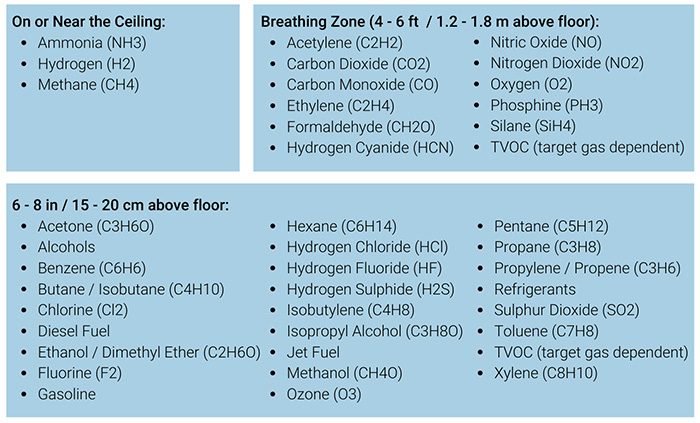
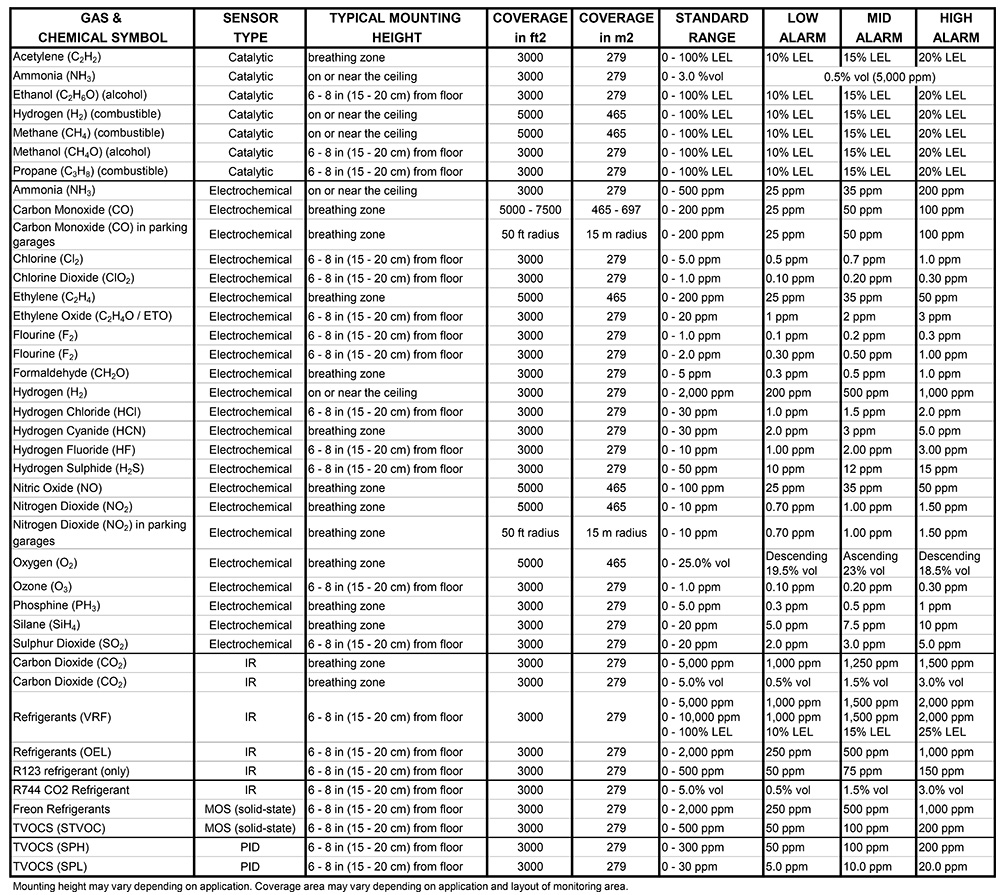
Gases that are heavier than air should be installed 6” from the floor. Such gases include (but not limited to) carbon dioxide, chlorine, ozone, propane, and refrigerants. Gases that are lighter than air should be installed on or near the ceiling, include (but not limited to) ammonia, methane, and hydrogen. Gases that have density close to that of air should be installed in the breathing zone, aka respiratory zone, which is 4-6 ft from the floor. Such gases include (but not limited to) carbon monoxide, carbon dioxide, oxygen, nitric oxide, nitrogen dioxide, and hydrogen sulphide.

The health and safety of individuals working near or around equipment, such as propane powered forklifts, are at risk. The exhaust is venting toxic gases, such as carbon monoxide, propane, and nitrogen dioxide, from the rear of the machine. Being in an indoor environment, the ventilation system does not know that these gases are present; therefore, cannot being diluted and / or vented outside the building. High concentrations of these fumes are extremely dangerous. At high exposure levels, they can result in death. These fumes have been linked to a number of health related issues and are a concern for the provincial health and safety boards. Having a gas detection system in place ensures that the ventilation system operates when the gas concentration level is at a dangerous level. The gas detector triggers the ventilation system to kick in and dilute the indoor air and pushes it outside the building.

For suggestions on a fixed gas detection system, please visit www.critical-environment.com.

Written by: Ambur Vilac, Pat Allinson & Teresa Kouch

————————————————————————————————————————————

References

“ASHRAE Standard: Ventilation for Accepting Indoor Air Quality”. ANSI/ASHRAE Standard 62.1-2010. 2010. Web. 20 Feb 2012. .

“Division V: Air Quality: 44 Methods.” Regulation respecting occupational health and safety. 1 May 2012. Web. 15 May 2012. .

“Guidelines Part 5 Ventilation: G5.62 Ventilation.” Occupational Health and Safety Regulation: Section 5.62. 29 October 2003. Web. 14 May 2012. .

“Review of ANSI/ASHRAE Standard 62.1-2004: Ventilation for Acceptable Indoor Air Quality – Part 2.” Workplace Hygiene. 2009. Web. 20 Feb 2012. .

“Sensor Mounting Heights & Location”. Critical Environment Technologies Canada Inc. 2012. Web. 01 June 2012. < http://www.critical-environment.com/technicallibrary/sensor-mounting.html>.

Bookmark and Share

Posted in Environment, Health, NewsComments Off

Indoor Air Quality Myths Debunked

Indoor Air Quality Myths Debunked

Today’s buildings, whether it is a home, office, manufacturing plant, hospital, etc., are more energy efficient; however, they also foster a potentially harmful environment. Indoor Air Quality (IAQ) has become a rising concern in the HVAC industry.

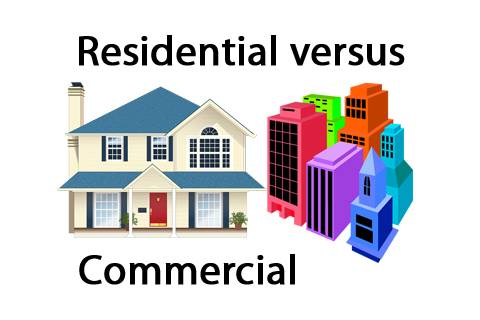
Poor IAQ can cause a number of health issues such as, allergies, dryness and irritation to the eyes, nose, throat, and skin. It can also cause headaches, shortness of breath, hypersensitivity, sinus congestion, coughing, sneezing, nausea, and dizziness. Depending on the type of building, the main factors of poor IAQ are different. For residential homes, carbon monoxide, pet dander, dust mites and mold spores are the common factors. For parking garages, carbon monoxide, nitrogen dioxide, and propane are the common factors. By educating ourselves about poor IAQ, we can be proactive to install systems, such as gas detectors, air purifiers, etc., in the building for a healthier living environment.

Below are IAQ myths about gas detection systems that have been debunked:

MYTH: Permanent gas detectors are effective.
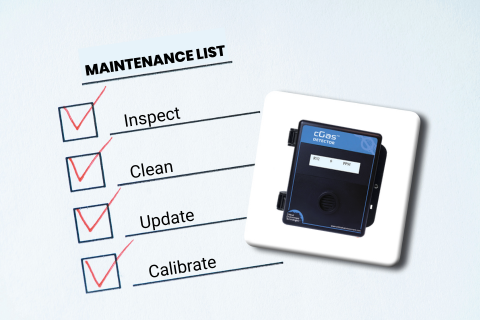
FACT: True. Gas detectors are effective in detecting the gas that’s in the air. Regular maintenance as recommended by the manufacturer is important in keeping these gas detectors up to date. Whether it is a simple calibration process, replacement sensor or parts, or even a firmware upgrade, it is highly recommended.
MYTH: Sensors do not need to be replaced once they’re in the field.
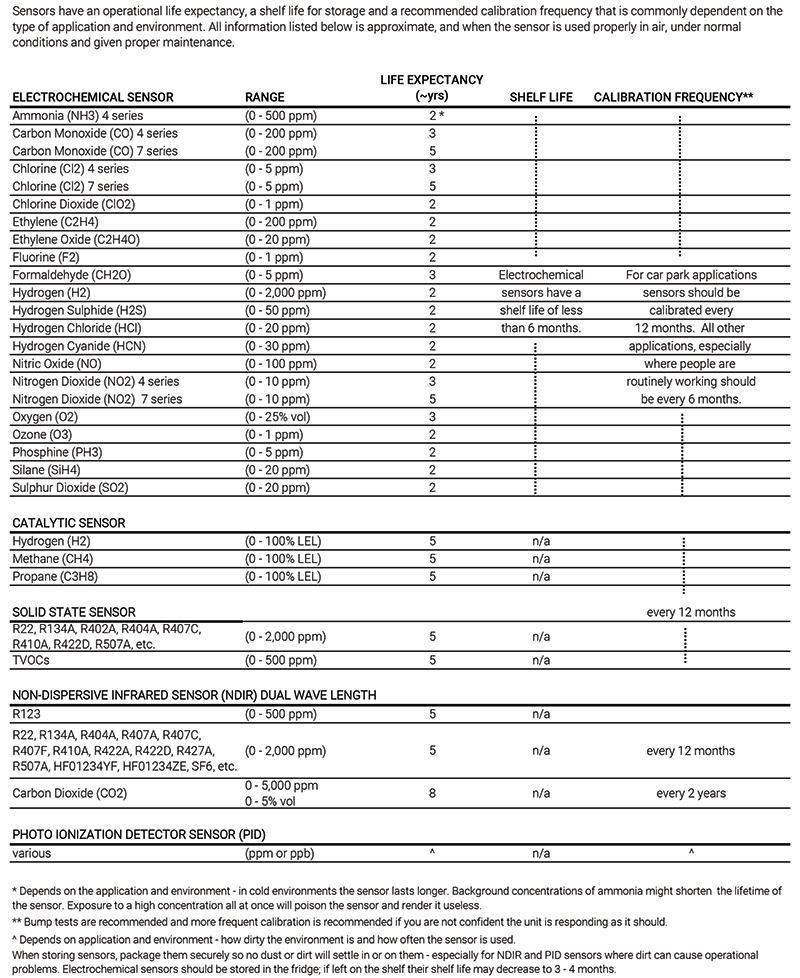
FACT: False. Every sensor has a different life expectancy depending on the gas type and manufacturer. The life expectancy of sensors range from a year to ten years; therefore, it is advisable to contact the manufacturer for details.
MYTH: Ozone is safe for our health.
FACT: False. It is effective in fighting a number of pollutants including odors, chemicals, bacteria, etc. However, ozone generators are known to emit harmful substances into the air. When ozone is used for treating asthma, it is done in clinics that are under strict medical surveillance.
MYTH: Air pollution is only an outdoor problem.
FACT: False. Indoor air can be 12 times more polluted than the air outside.
MYTH: There is no real need to worry about IAQ.
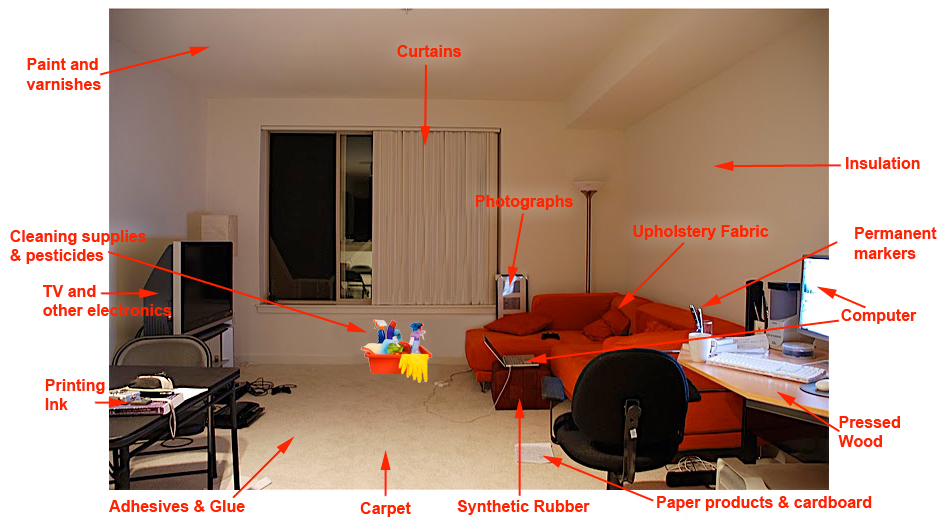
FACT: False. People can spend up to 90% of their time indoors so maintaining the highest quality of indoor air is critical. Some pollutants can be easily identified as it can cause bad odors, such as smoke, dust, paint, and animal dander. However, some are more difficult to identify with our senses, such as bacteria, fungi, mold spores, pollen, influenza viruses, or even off gassing from the walls, furniture and appliances.
MYTH: It is too difficult to improve IAQ.
FACT: False. To improve air quality, it is not difficult but can be expensive especially when more than one system needs to be in place. However, spending more on the system can be cheaper in the long run in terms of operating cost.
MYTH: All gas detectors are the same.
FACT: False. There are many different types of gas detectors in the market and not all operate the same way. Research is necessary!
MYTH: You should choose gas detector according to the square footage of the room.
FACT: False. Gas detectors should not be chosen based on the square footage of the room. Coverage is dependant upon the type of gas as every gas behaves differently.
MYTH: Gas detectors help reduce energy consumption in commercial and industrial buildings.
FACT: True. Gas detectors can trigger the ventilation system to turn on or off according to the level of gas it detects. For example, in a parkade, if the level of carbon monoxide increases, the gas detector will switch the ventilation fans on automatically to circulate the air and diffuse it from one central location and push it outside. Once the level of carbon monoxide drops, the ventilation fan is turned off.
MYTH: Gas detectors should be placed near the source of the gas.
FACT: True. If a gas leak were to occur, the sensor(s) will detect it right away and alert the personnel in charge and / or start the ventilation fans automatically before the gas leak gets circulated throughout the premise.Gas detectors should not be placed near ventilation fans or openings to the outside. They should be placed in areas where there is good air circulation, but not in the path of rapidly moving air. Pay particular attention to dead air spots where there is little or no air movement.

Depending on the properties of the gas, mounting height matters. For a list of mounting heights for common gases, visit http://www.critical-environment.com/technicallibrary/sensor-mounting.html.

MYTH: Green buildings do not improve health.
FACT: False. Green buildings improve health through safer materials and products and by circulating cleaner air.


Written by: Ambur Vilac & Teresa Kouch

—————————————————————————————————————-

References

Angela. “5-Myths Debunked About the Home’s Heating and Cooling System.” Hoffmann Brothers: St. Louis Geothermal Heating & Cooling Company. 31 August 2010. Web. 10 May 2012. <http://www.stlouisgeothermal.com/blog.html>.

Hudson, Adam. “Indoor Air Quality: Myth or Money Generator.” www.co2meter.com. 01 December 2008. Web. 10 May 2012. <http://contractingbusiness.com/columnists/hudson/indoor_air_quality_myth/>.

“Top 8 Air Cleaner Myths You Are Not Supposed to Know About.” Air Cleaners, Air Purifiers – Air Cleaner Systems. 2010. Web. 26 September 2011. <http://air-cleaner-systems.com/air-cleaner-myths>.

Bookmark and Share

Posted in Health, NewsComments Off

Why is a carbon dioxide monitor a good investment?

Why is a carbon dioxide monitor a good investment?

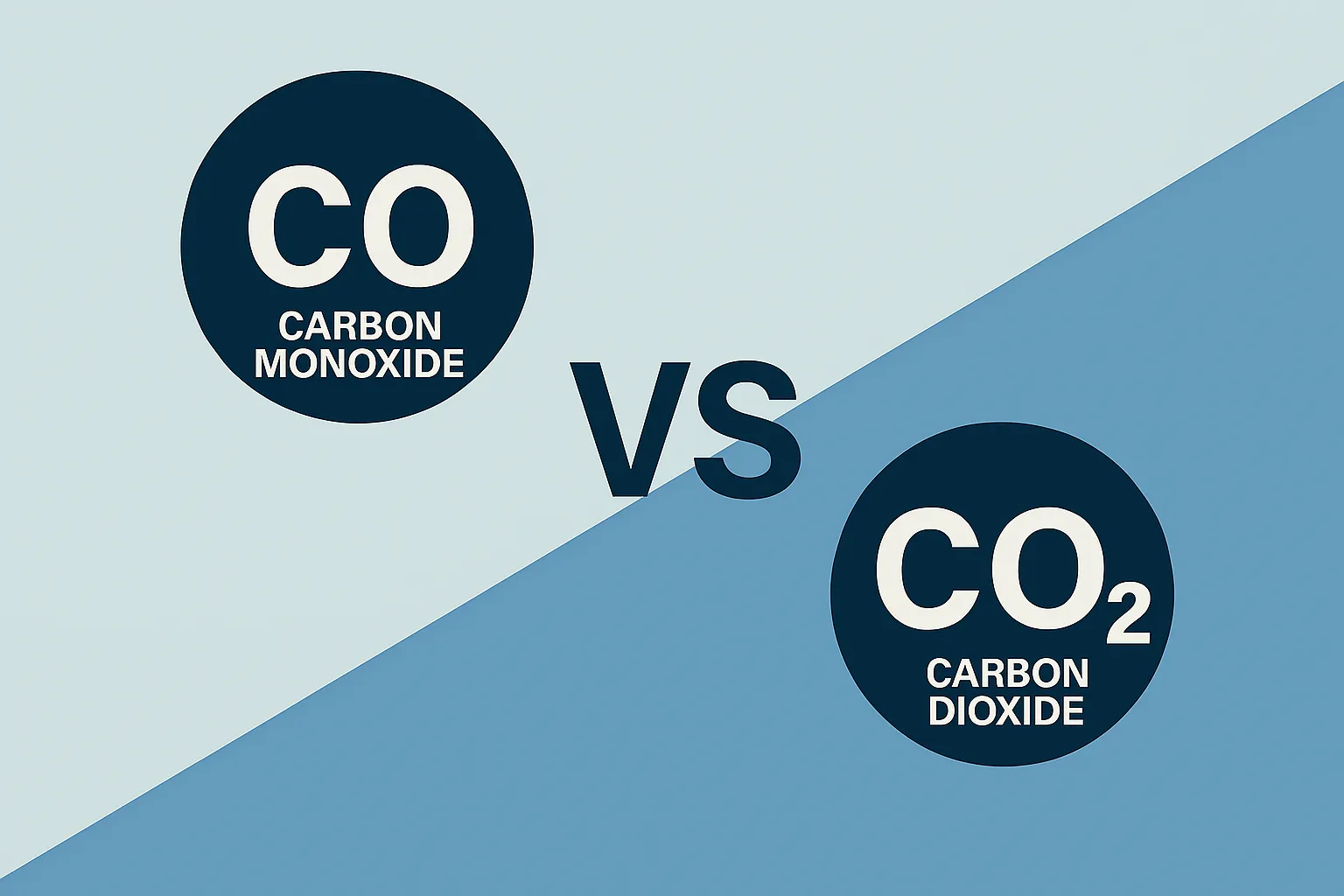
The easiest way to check if your house is encapsulating gases is to monitor the carbon dioxide (CO2) levels. This one gas is used as a marker for air quality, is the easiest to monitor, and provides a more accurate air quality reading.

It is a good trend indicator because it changes in measurable amounts as the air quality gets worse. All other gasses in the house follow the same trend as the CO2. Most commercial air quality controls are based on CO2 levels.

It is the easiest to monitor simply because as the air quality gets worse, the levels increase. Outside air has an average of 350 – 450 ppm of CO2. Inside, the levels raise to values of 550 – 700 ppm. In office buildings, the HVAC systems will keep the levels below 800 ppm.

Monitoring the CO2 levels is relatively inexpensive and more accurate compared to monitoring any of the other gases that are in your home such as carbon monoxide (CO) and TVOC. It is more accurate in that it does not change based on individual problems.

CO Monitors

CO monitors are commonly sold at the local hardware store. The problem with CO monitors is that it always reads 0 ppm. This reading does not mean that you are safe because it is only looking for the CO gas that is produced by cars and things that are burning. The reason CO monitors are so common is that a large part of the world uses natural gas to cook their food and if this gas is not burned correctly it can produce CO. This monitor does not tell you what your air quality is. It is used for a specific purpose which is to detect CO.


TVOC Monitors

TVOC monitors are expensive and can cost thousands of dollars. You would think you are safe because it always reads less than 0.04 ppm. If you just purchased a new desk that is manufactured in a country that is not regulated, you will see an increase in your TVOC values but how do you know which type of VOC it is? Within a week or two, the levels will then return to values of about 0.05 ppm. This may take several months to a couple of years for the VOCs to stop off gassing from the desk and return to less than 0.04 ppm. It’s impossible to say the increase or decrease was due to formaldehyde or hydrogen sulphide. It’s also impossible to identify what combination of VOC made up the TVOC reading.

CO2 Monitors

CO2 monitor is like a smoke detector and looks at the general problem. If a smoke detector only went off if the fire was caused by burning macaroni and cheese it may save your life but the odds are lower than if it detects all the source of fire. The CO2 monitor does not detect all the source of poor air quality but it tells you if you are in a location that has poor air quality or even bad air quality and this means the levels of all the gases that can have effects on your quality of life are higher.

Written by: Richard Grant, Service Department Supervisor

Bookmark and Share

Posted in Environment, Health, Indoor Air Quality, News, Products9 Comments

CETCI is now on LinkedIn!

CETCI is now on LinkedIn!

CETCI is now on LinkedIn! Keep up to date on the latest happenings by connecting with us: http://www.linkedin.com/companies/critical-environment-technologies-canada-inc.

Click here to find out more.

Bookmark and Share

Posted in NewsComments Off

Welcome to the CETCI Magazine Blog!

Welcome to the CETCI Magazine Blog!

Here we’ll be discussing news, events and product profiles. We hope you find what you’re looking for.

Bookmark and Share

Posted in NewsComments Off


Archives

Follow us on Twitter

Gas Detectors

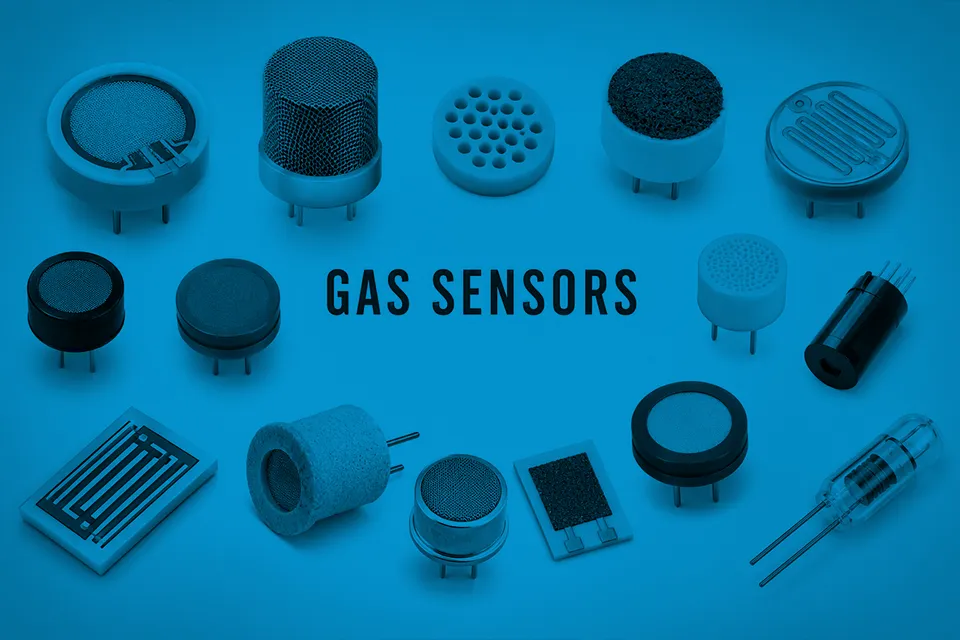
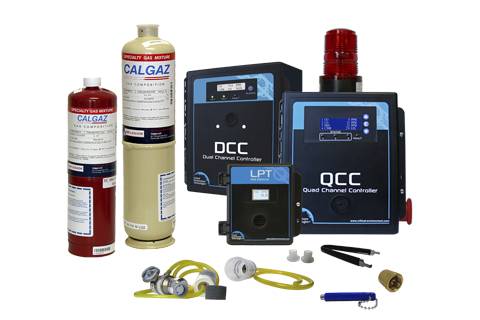
CETCI gas detectors are used to detect many different gases. Some of the most common are Carbon Monoxide, Carbon Dioxide, Nitrogen Dioxide, Nitric Oxide, Ammonia, Chlorine, Ozone, Combustible Gases like Methane and Propane, Oxygen, Refrigerants and more.

IAQ Portable Monitors

The YES Series of IAQ Monitors are essential for those responsible for conducting Indoor Air Quality Investigations. These instruments are specifically designed to measure and record the quality of indoor air in offices, buildings, homes, schools, parking garages, ice rinks, etc.